TWO WEEKS SAILING AROUND THE ANCIENT MONUMENTS OF CYCLADES


The suggested route comprises some of the Cycladic islands with the most important ancient monuments, like Delos, the sacred island of ancient Greece, Milos, with the prehistoric settlements, first Christian catacombs and other monuments of unprecedented value. Sailing trips can be challenging, because of the long routes and the Aegean Sea can develop strong northern winds and big waves, especially in the period of mid-July to August. Experienced sailors and skippered yachts will certainly enjoy every aspect of these sailing trips, around the nicest of the Greek islands. Finally, we mention below the most important monuments in each island. The crew has to select which ones to visit and accordingly, the crew will define how many days they want to stay in each island.

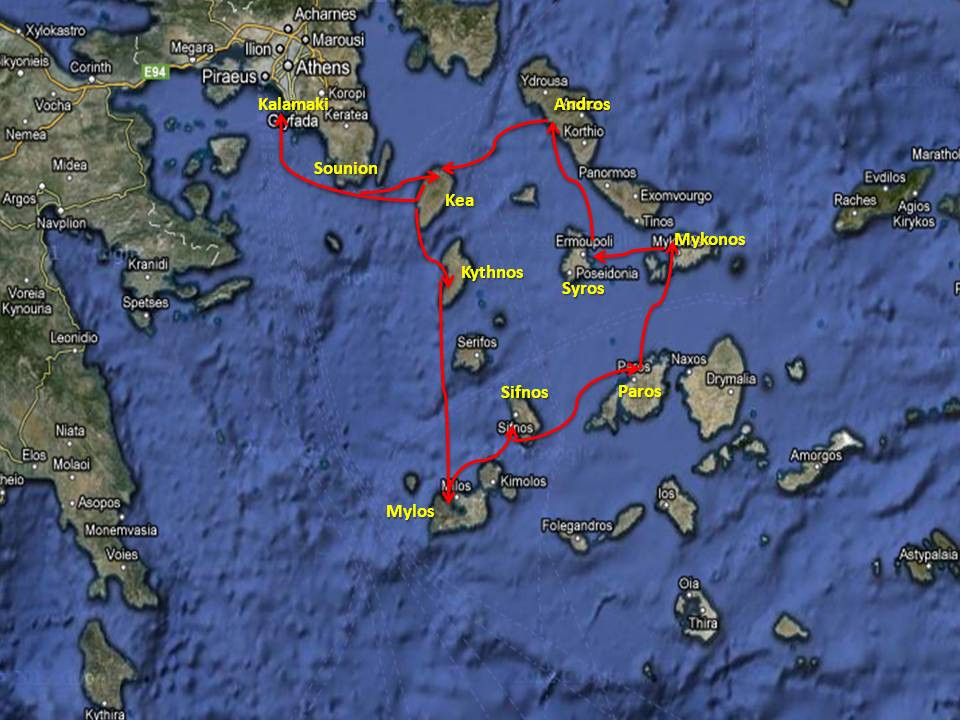
The Chart of the Trip

Caption Here


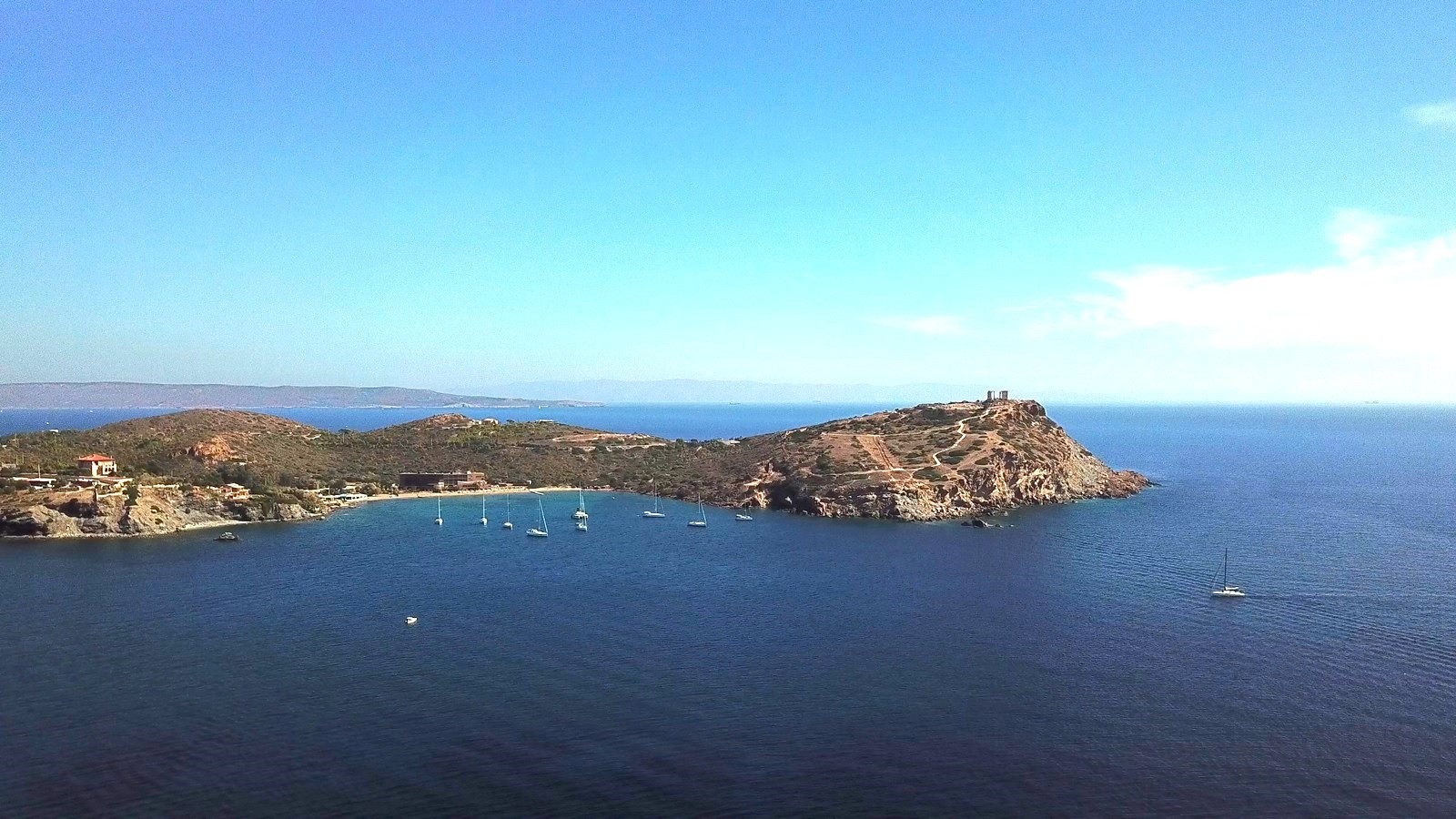
Day 1: Alimos - Cape Sounion (23 nautical miles - nm)

​​​​​​​The trip starts on Saturday afternoon from Athens marina. Spend the first night in cape of Sounion, beneath the Poseidon temple.The bay is big enough for many yachts to anchor in a modest distance from the shore and indeed is a busy destination. It offers good shelter to north winds (but not to southern or eastern winds) and you can enjoy swimming and relaxation right under the spectacular temple of Poseidon.

If interested you may also visit the temple (five minutes drive from the shore, where you can arrange for a taxi). According to the myth, the ancient king of Athens, Aegeus put an end to his life in cape Sounion (jumping off the cliff) when he saw the boat of his son Theseus returning from Crete with black sails, which was a false sign that his son was killed by the mythical Minotaur.


Caption Here
Caption Here

Day 2: Sounion - Kythnos island (25 nm)

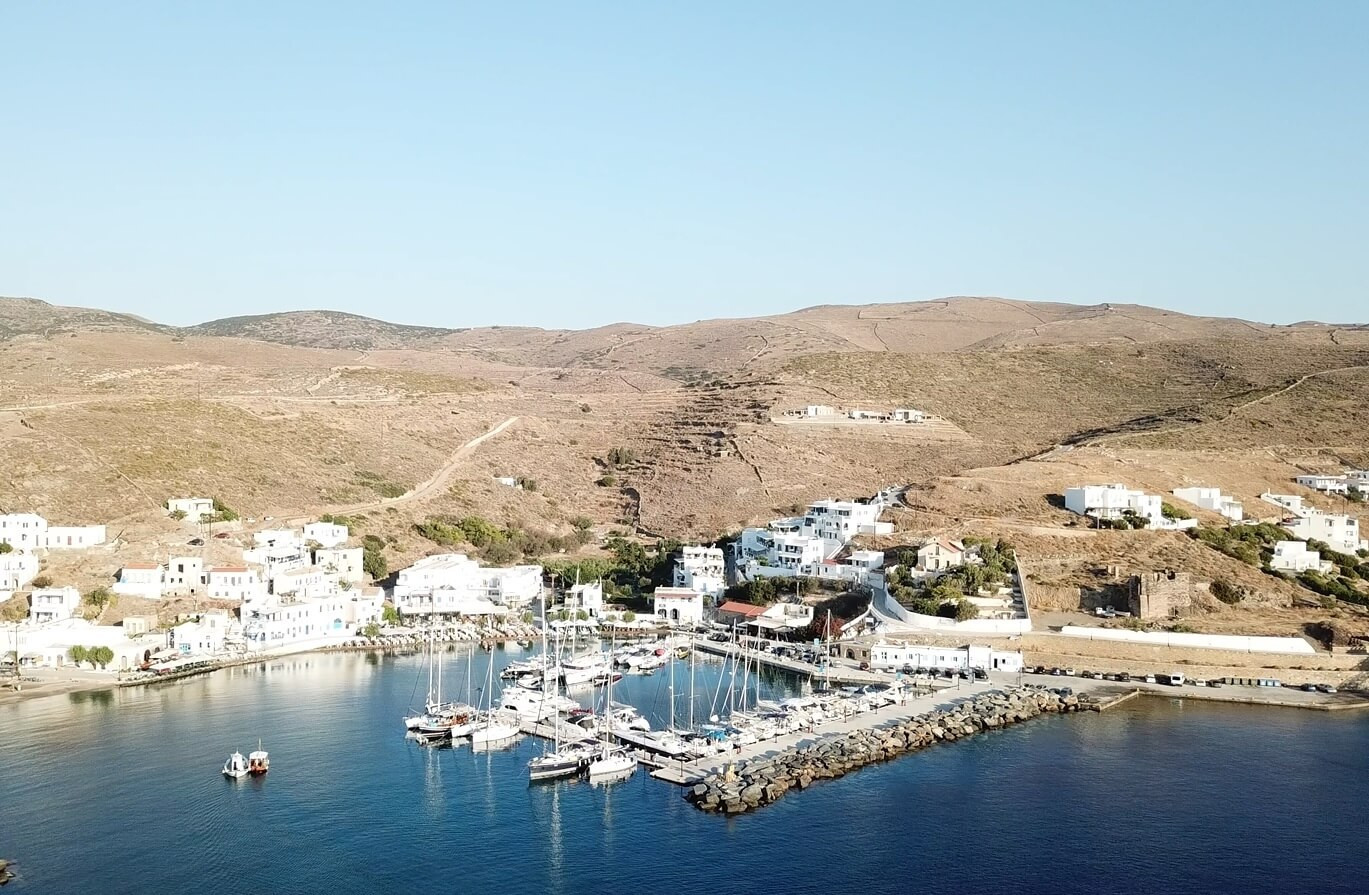
Next day sail from Sounion to Kythnos islands. It's a route of nearly 25 nm heading southeast, therefore the north wind, which is prevalent in the summer, will make the trip easy going. Berth in Merihas port which offers very good shelter, but keep some distance from the dock that the boat berths. We suggest also paying a visit with the yacht to the nearby bay of Kolona. It is one of the most beautiful places to swim and relax.

Kythnos ancient agora is very interesting for sightseeing. The ancient agora of the island was discovered in 2009; it is believed that it was built in the 4th or 5th century BC. Kythnos is populated since the 10th century BC. Findings are mostly made of clay or marble, include household and religious items (small statues, coins, pottery etc.). Archeological research has taken place in the sea, around the port of Mandraki, where part of castle wall was discovered. In the same area (ancient name Vryokastro) an ancient temple was excavated, including all valuable items of the era. Vryokastro is very close to the main Kythnos port Merihas, making the visit to the archeological area rather easy.

Another interesting site to visit is located at the north east side of the island, Maroulas (Loutra). From Merihas you can go by bus/taxi, or you can sail there, since Loutra bay is also very beautiful and safe from north wind (Meltemi). Local findings include remains of houses and relevant items, since the Mesolithic era. This is the only open space settlement sight in Greece of the specific era.

In the island, there is also a cave with interesting labyrinths and stalactites. Located in the village Driopida (south part of the island), it is so big that once was used as a shelter (its name Katafiki in Greek language comes from shelter) of locals against pirates. Guests may also visit the Folklore Museum as well as the Byzantine Museum (both located in village Driopida). 

The port of Loutra at the Eastern coast of Kythnos
Caption Here

Days 3, 4: Kythnos - Milos island (41 nm)

The following day sail to Milos island. The distance between Kythnos and Milos is approximately 41 nm toward south with the north wind easing the sailing conditions. Find a berth in Milos main port, Adamantas. Because of the size of the island, the number of ancient monuments, as well as the numerous, amazing swimming spots, it is suggested that you spend two days in this magnificent place.

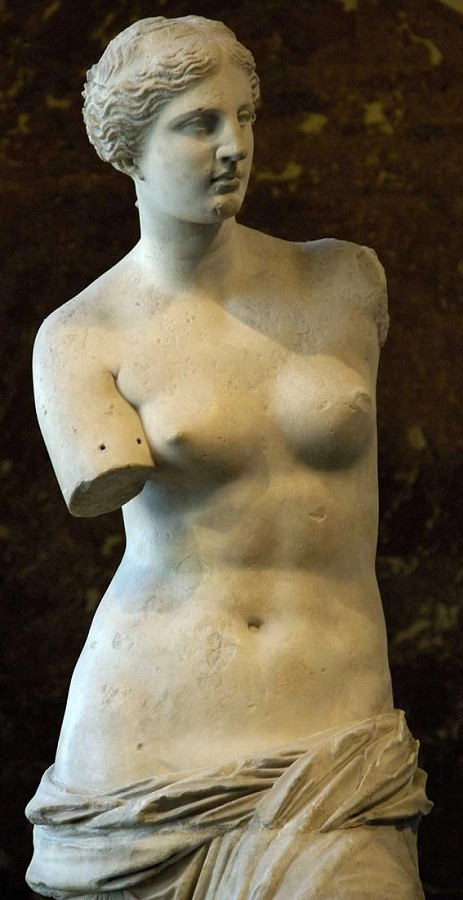
The Archeological Museum of Milos is located in Plaka (main village of the island). Visitors can view exhibitions since the pre-historic period and after (5.000 BC), jars, small statues and other sculptures. Copy of the famous statue “Venus of Milos” is located in this museum.

On the island of Milos guests can find remains of the ancient town of Filakopi, one of the most important centers of pre-historic Aegean region. There are existing traces of human presence from about 3.000 BC. Later, around 1.100 BC the place was developed into a commercial center due to the stone “obsidian”. Large development took place (e.g. the defense walls that are still visible); the town was destroyed from invasions and re-built three times.

Guests can also visit the ancient residence of Klima, the first port of the island in ancient years. The acropolis of the residence is a worthy sightseeing and guests can also see the parts of the ancient and roman temple. Please note that the famous statue “Venus of Milos” was discovered in Klima.

Located in close proximity, is the Ancient Roman theatre (first built in the 3rd century BC), still utilized for concerts, theater plays etc. (currently it can host audience of up to 700 people).

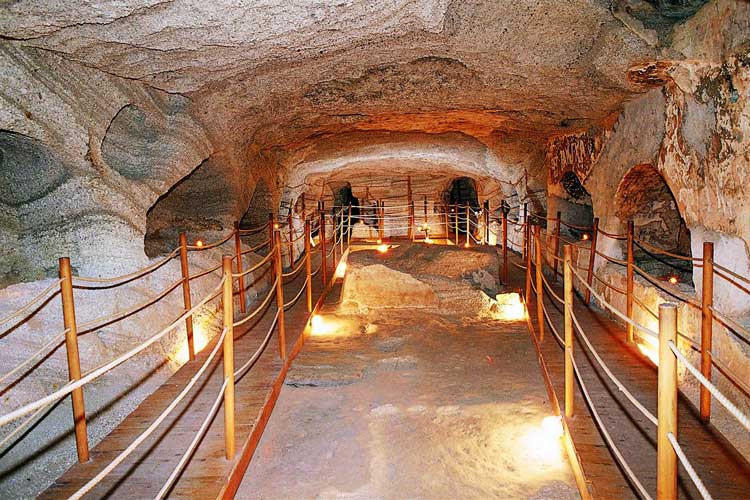
Due to its unique geological structure, Milos has old Christian catacombs, which comprise the oldest monument of Christianity. They are located near the village of Tripiti. There are long labyrinths, tombs and the site is comparable to the old Christian catacombs of Rome and Holy Places.

Milos has unique geology interest, like geothermal fields, hills of pumice which are visible to anyone visits the beautiful coastline of the island. Guests may admire samples of the mining museum in Adamantas, the main port of Milos.

The main port of Adamantas offers very good berth and easy access to sightseeing. Visiting the coast line of the island, especially the south side offers unique spectacle. Kleftiko, Gerontas and Gerakas are among the most impressive places to visit if you sail around the south coast. Protection wise, keep in mind the prevalent north winds (meltemi) and strong gusts in case you spend the night on anchor. Mind also that waters are rather deep in most places. On the north side, if you berth the yacht safely in Adamantas, don't miss the Sarakiniko beach with the landscape of clay rocks and turquoise color of the sea.

Caption Here
The cove of Kleftikon
Caption Here
The first Christian Catacombes in Milos
Caption Here
The port of Adamas
Caption Here
The cove at Sarakinikon

Day 5: Milos - Sifnos island (25 nm)

 After Milos, continue the sailing trip to Sifnos island and the beautiful port of Kamares, in Sifnos. The dock in the bay is not big but it offers safe berth although the gusts from  the north may get very strong in the bay. 

If interested to spend a day in the island, you can visit the ancient round towers scattered in main picks of the mountain (there is a tower near Vathi).  Monuments were built in the period between 6th and 3rd centuries BC. Sifnos is inhabited since the 3rd millennium BC; the most prestigious archeological site lies at the hill of Agios Andreas, not far from Vathi, and it is a part of a Mycenae wall, built in the 12th century BC. In Vathi there is also the monastery of Taxiarchis, built in the 16th century. Sifnos' archeological museum is situated in the village of Kastro (east coast of the island, you need to cross the island to get it). Kastro is picturesque and has wonderful view to the Aegean Sea.

The village of Kastro
Caption Here

Day 6: Sifnos - Paros island (24 nm) 

The next destination, Paros island has wonderful beaches and places to anchor but like in all islands, you need to be in main port to have easy access to sightseeing places. Main ancient monument is a temple of Delion, dedicated to god Apollon. Built in the 5th century BC, the temple overlooks the island of Delos and also has magnificent view to the Aegean Sea. You can see the remains of temple columns and walls. Nearby there are the ruins of another temple, dedicated to Apollo's sister, Goddess Artemis, and at south part of the island, there are the ruins of the temple of Asklipoios, God of Medicine and son of Apollon, built in the 4th century BC. The archeological museum of Paros is located in Paroikia, main port of Paros. The collection belongs to main periods of history in Greece, since the third millennium BC.

Days 7, 8: Paros - Antiparos islet

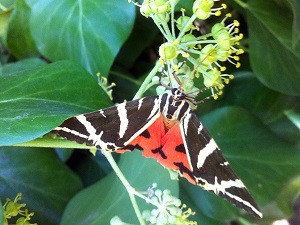
One of the most interesting places for sightseeing in Paros is the Valley of butterflies, located 5 km from Paroikia. The valley is full with trees, very rare in Cycladic islands, and there is an incredible density of butterflies inside the forest. The walk through the forest and the waterfalls is unforgettable. Finally, visit the church of Panagia Ekatontapiliani (the name means: “church of Virgin Mary with a hundred gates”), built, according to tradition from Byzantine first Christian emperor, Constantine. Its wide wall includes numerous smaller churches and worship temples, like the first baptistery of the Aegean Sea, built in the fourth century AD. 

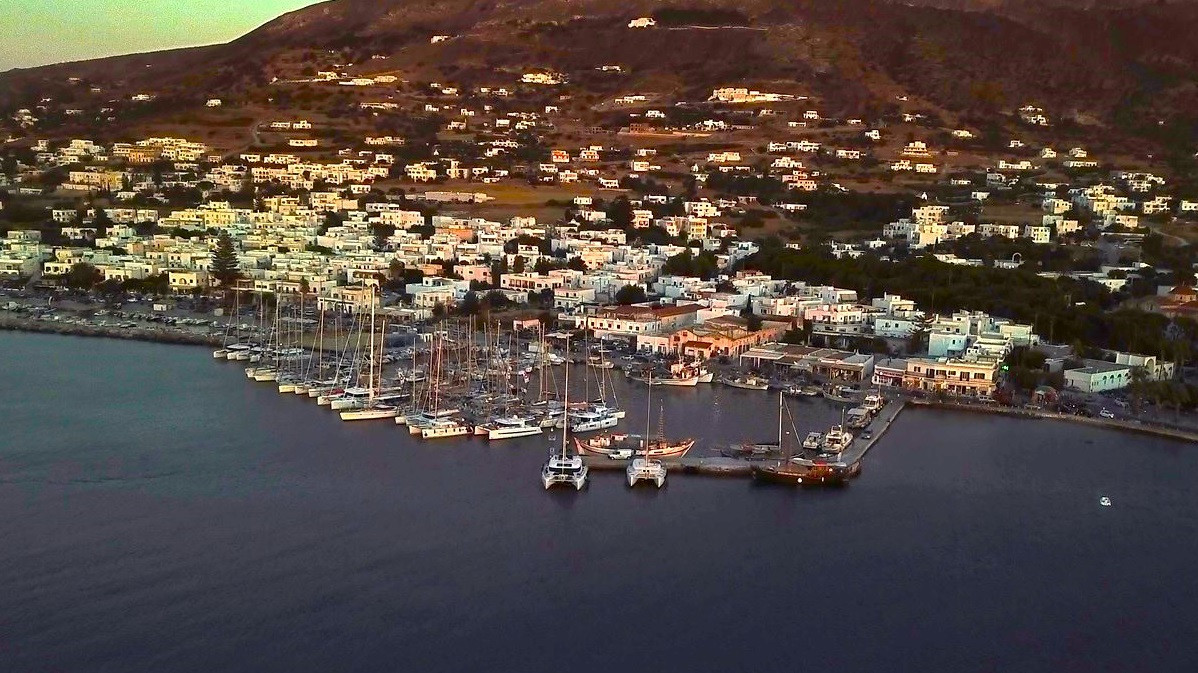
The port of Paroikia
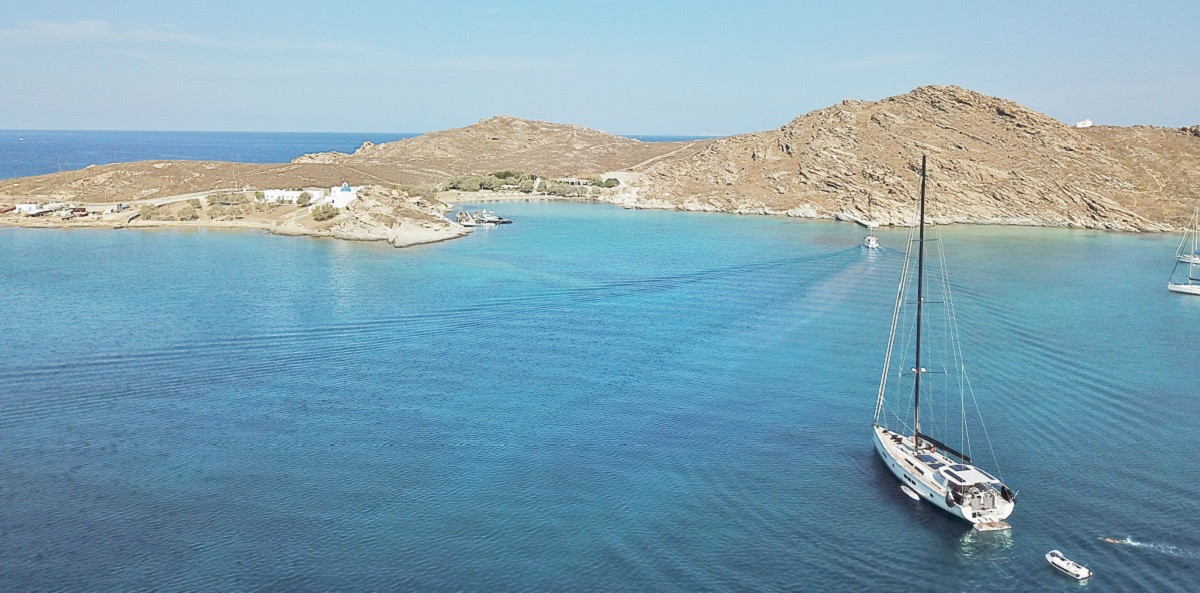
The breathtaking coast of Antiparos 

Although berthing in Paroikia is safe and offers good access to island's monuments, Paros has many anchor places. Out of many beautiful ones, the favorite is the strait between Paros and Antiparos. There you can find many places to berth, mostly sandy and with good anchorage. Mind the shallow waters while passing through the canal and read the maps carefully because accidents have happened by the careless. Nevertheless, sailing around Antiparos is a wonderful experience. As Antiparos is inhabited since the 4th millennium, there are some interesting ancient places for sightseeing on the island, as well as on smaller islands around.    

Caption Here
The Church of Holy Mary in Paroikia
Caption Here
Valley of butterflies
Caption Here
Rock formations in Paros
Caption Here
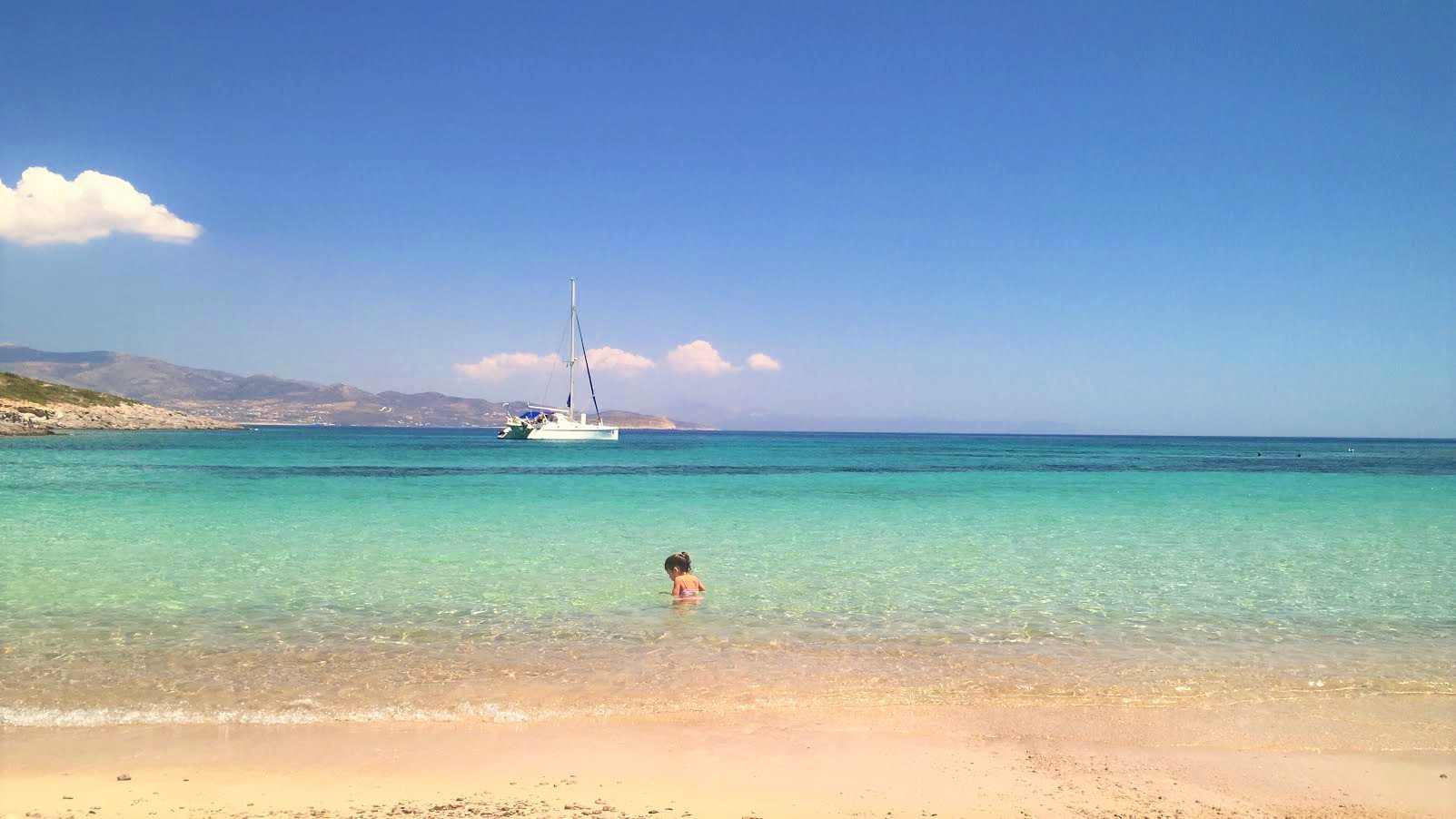
The Endlless blue and white

 Days 9, 10: Antiparos - Mykonos island and Delos (30 nm)

After visiting Paros and Antiparos, continue the trip to north – northeast, to Mykonos island. Due to strong winds, Mykonos is traditionally called “The island of winds”, and was dedicated to Aiolos, the God of winds. It's a long trip but full of sailing adventure since the wind will usually be coming from the opposite direction, so this route will be a real challenge. Like Paros, Mykonos is also known for its busy nightlife. Traditionally, “rich and famous” visit Mykonos, and it's an ideal place for those who want to experience wild night life in night clubs, beach bars, anywhere.

Regarding sightseeing, the interesting place to visit is the Archeological Museum, located in the town of Mykonos. It includes artifacts from the 5th century BC and older periods, mainly pottery, tomb sculptures, etc. However the main attraction of the area regarding ancient monuments, is the nearby island of Delos.

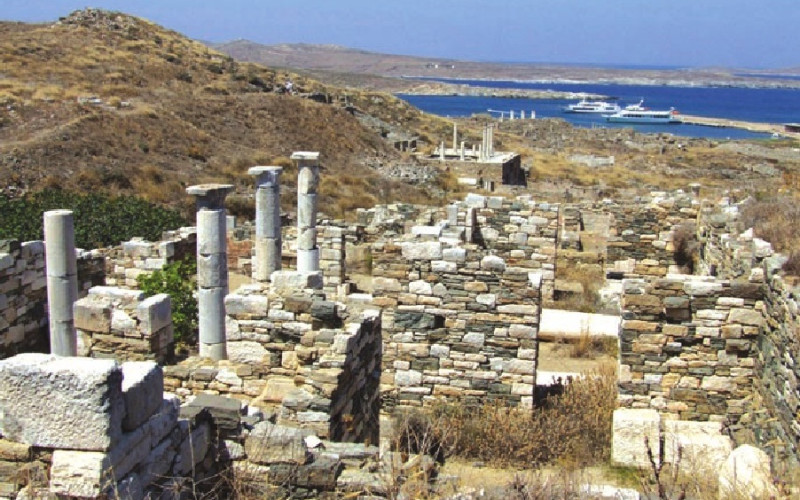
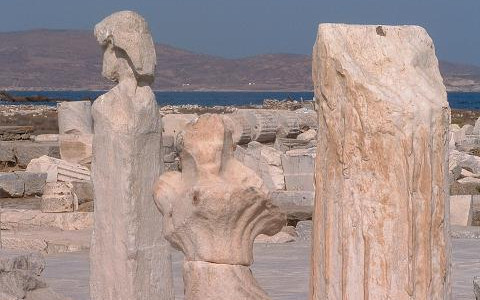
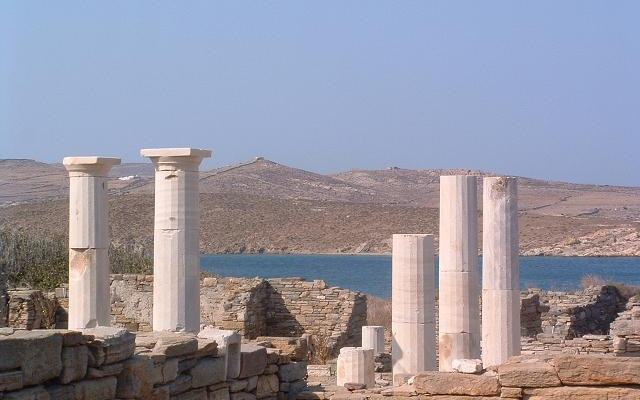
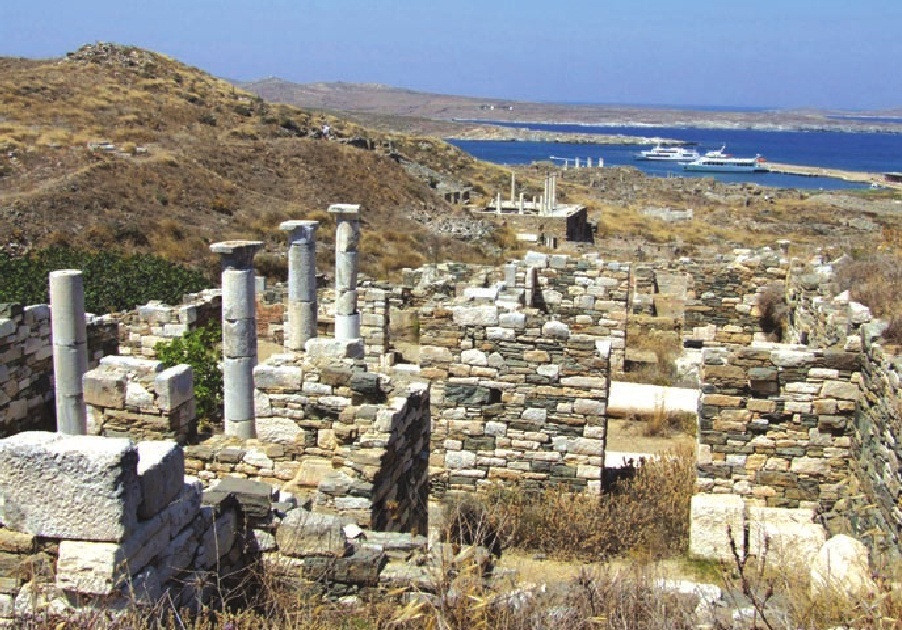
Delos island is, according to mythology, the birth place of Gods Apollo and Artemis and was inhabited since the 3rd millennium BC. In the 6th century BC, Delos was established as the center of the Athenian Hegemony while in previous ages, other town – states attempted to control the island, as a symbol of divine power. Throughout history, there were plenty of temples, statues and other sculptures built on the island, most of which are saved. The small island looks therefore like a big temple and visitors have the opportunity to walk around the monuments on the biggest part of the island. Get a small boat from Mykonos in order to visit Delos, since anchoring in Delos is not allowed without special permit. It is suggested that visitors stay in Mykonos for at least two days, in order to have time to explore the island and visit Delos, as well. Apart from the marina near the Mykonos town, you can also anchor, among other places, in Ornos that is a beautiful bay at the south side of Mykonos, offering good shelter from north winds (meltemi is particularly strong around Mykonos island).

Caption Here


FIND OUT MORE
Caption Here


FIND OUT MORE
Caption Here


FIND OUT MORE

Day 11: Mykonos - Syros (17 nm)

Syros is the capital city of Cyclades, situated in the middle of the islands' formation. The island has two ports, the main one Ermoupoli, affected by the swell, in case of strong Northern winds, and Foinikas, on the western coast, better protected from the Northern winds. However, berthing in Ermoupoli offers easy access to one of the most traditional and picturesque ports in Greece! Access from Foinikas to Ermoupolis is possible by taxi or bus.


The port of Ermopoulis
The port of Foinikas

Syros has rich history which is evident in main town Ermoupolis, Ano Syros as well as in houses scattered in the south side of the island. Syros went through dramatic development in the 19th and early 20th centuries, and was the industrial center of Greece at that time, due to its geographical position (center of the Aegean Sea). It has wonderful, picturesque roads and walking around is a mere pleasure. The building of Town Hall, the opera, the district “Vaporia” creates a very interesting sightseeing in the town of Ermoupolis. In addition, Ano Syros, situated on the high hill of Ermoupolis, with old churches and monasteries offer a wonderful walk, while you can admire the deep blue at every glance. Visit also the village “Poseidonia”, near Phoinikas port to see the neoclassical aristocratic houses that reveal the wealth that once was created in Syros Island.

Day 12: Kea - Andros (27 nm)

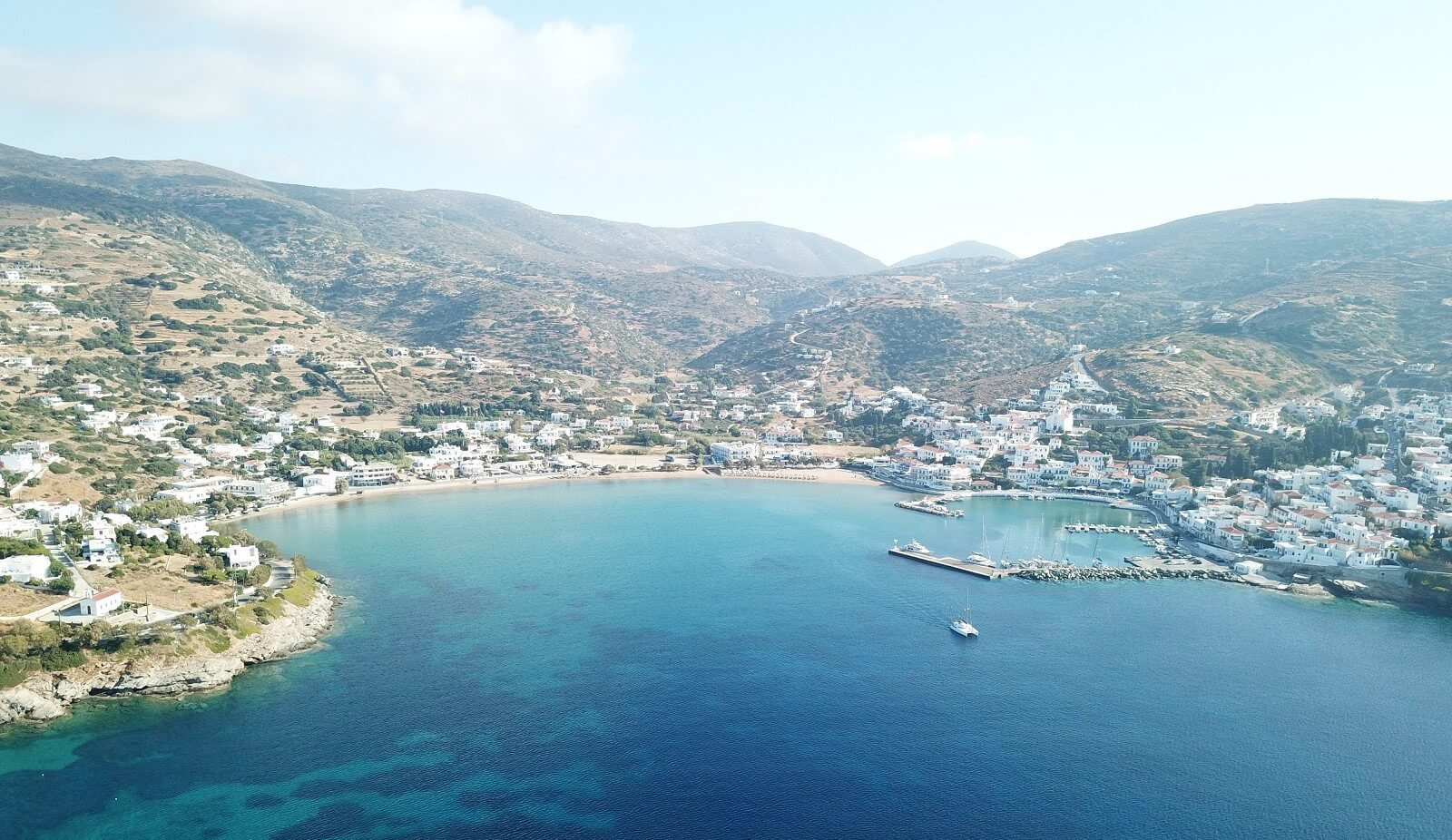
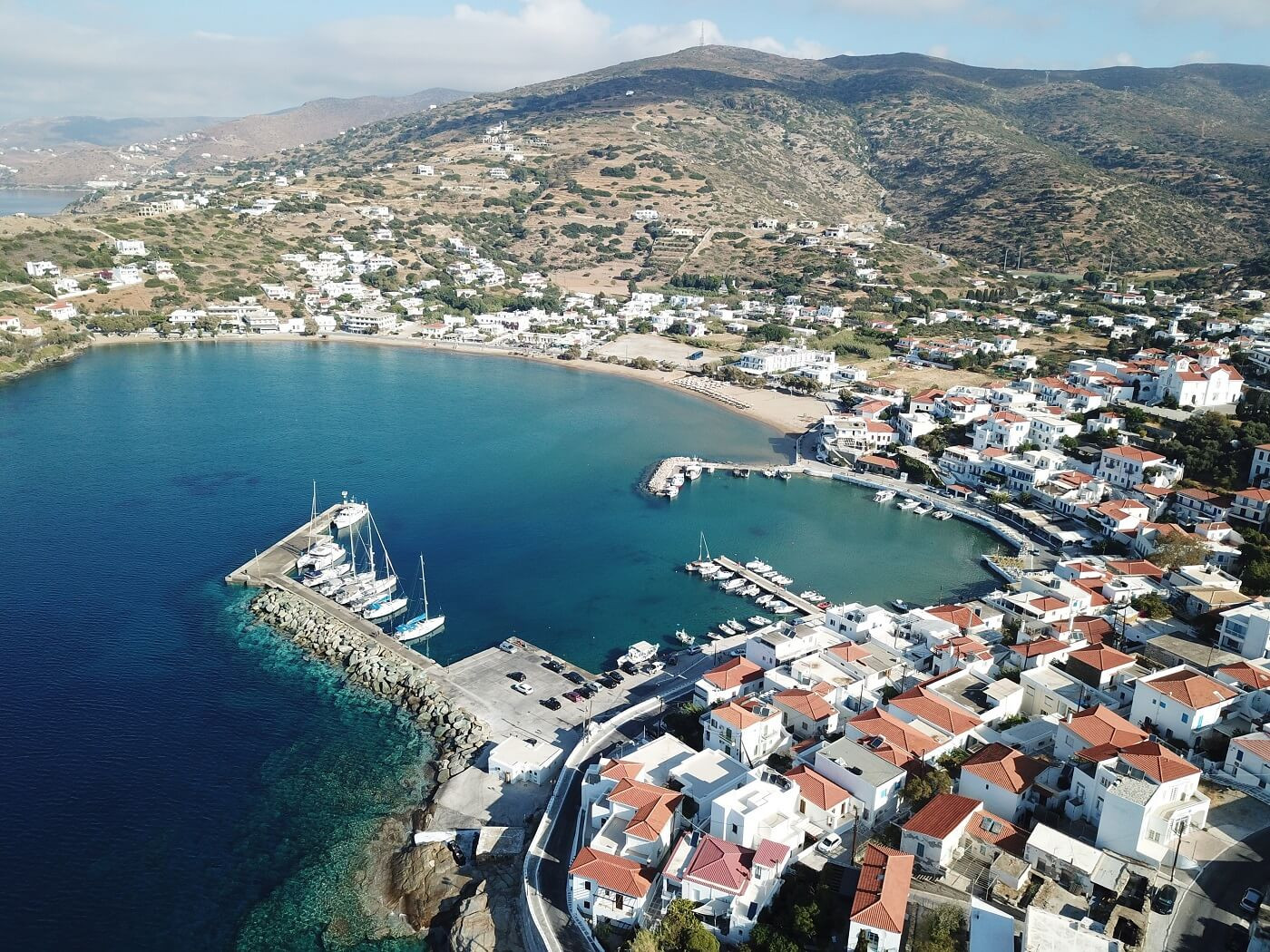
Andros, situated near the mainland Greece, has been inhabited since the 4th millennium BC, in the Neolithic period. Excavated settlements belong to that period, both on the west and on the northeast side of the island. In the later period (after the 3rd millennium BC), the settlement of Plaka was discovered. Offering natural protection, this settlement is related with civilization developed in other islands in the same period, such as in Mylos (Filakopi), Kea (Santa Eirini) and Akrotiri (Santorini). The residents of Andros participated in the Greek wars against the Persians and also the Peloponnese war (5th century BC). Its history remained dense until Greek Revolution (1821) and both before and after that created a strong naval force for commercial and war purposes.

Caption Here
Caption Here

The most important place for sightseeing in Andros island is the extended settlement of Zagora, which peaked development between 10th and 8th centuries BC. You can see the strong surrounding walls, ruins of houses and storage rooms. Likewise, on the hill of Ipsili, another settlement has been discovered with strong surrounding walls and house ruins, dating back to 10th century BC. These two settlements reveal that Andros held a strong position in that era (Geometric period) with strong ties to mainland civilization.

Another interesting place to visit is the tower of Saint Peter of 3-4th century AD, located near the Gavrion port. It's made of local stone (slate stone) and had protection purpose. The Archeological Museum in Andros is located in the town of Andros (east side of the island) and includes artifacts from the Zagora settlement and earlier periods. The second archeological museum is located in Palaiopoli, in the center of the island, where the ancient town of Andros island was situated. The museum hosts the historical collection of Palaiopoli, covering the periods from 6th century BC to 6th century AD. A remarkable modern history museum is located in the main town of Andros including art of the modern period of the island, and more generally, art that is related to the island, Cyclades, or Greek civilization.

Anchorage in Andros is restricted mainly to Mpatsi port and Gavrion, which is the main port of the island. Although on the south side, Mpatsi is partly exposed to strong gusts, so it's not the safest port when wind is up to 6-7 Beaufort. Gavrion port offers very good shelter. Both ports offer easy access to island's main monuments, by bus or taxi. In general, like Mykonos island, Andros is famous for strong gusts when the Meltemi is prevalent, and the “Cavo Doro” (the narrow canal between Andros and Evia) is most famous for the windy weather. So, be very cautious when sailing around these wonderful islands. 

Caption Here
The coast of Kea island

Day 13: Andros - Kea island (25 nm)

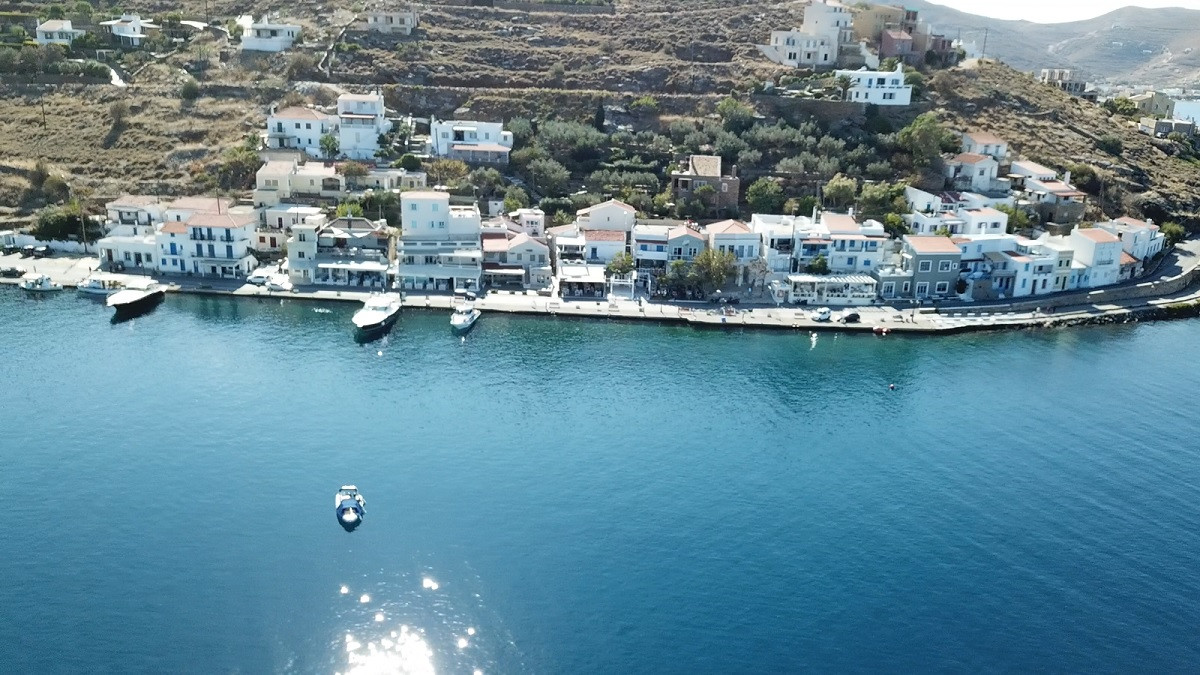
 The port of Kea lies at the northeastern coast of the island. It is comprised of two parts or separate docks, the main port of Korrisia, and the dock in Vourkari. It is safe to anchor in the port with most wind directions, while many yachts choose to anchor in the wide bay of Livadi, where both docks are located.

Near Vourkari lies one of the oldest settlement sites of the Aegean Sea, in the area of Santa Eirini. The sight is dated around the 3rd millennium BC. Excavations revealed parts of the defensive wall, hydraulic infrastructure for the supply of the ancient town with water, remains of houses and roads.

Important ancient items, like parts of statues of Minoan art style are exposed in the Archeological museum of Kea, which lies in the island's capital town Ioulida, around 7-8 km from Vourkari.

Another interesting spot is the temple of Apollon at the cove of Karthaia, on the southwestern coast. It is worth anchoring in the cove and walk a short path of about 10 minutes, to find remains of the ancient temple. The spot requires attention, as it is exposed to the winds, so one can anchor there only on a day without wind. However, the monument is accessible also on a walk from the central island.

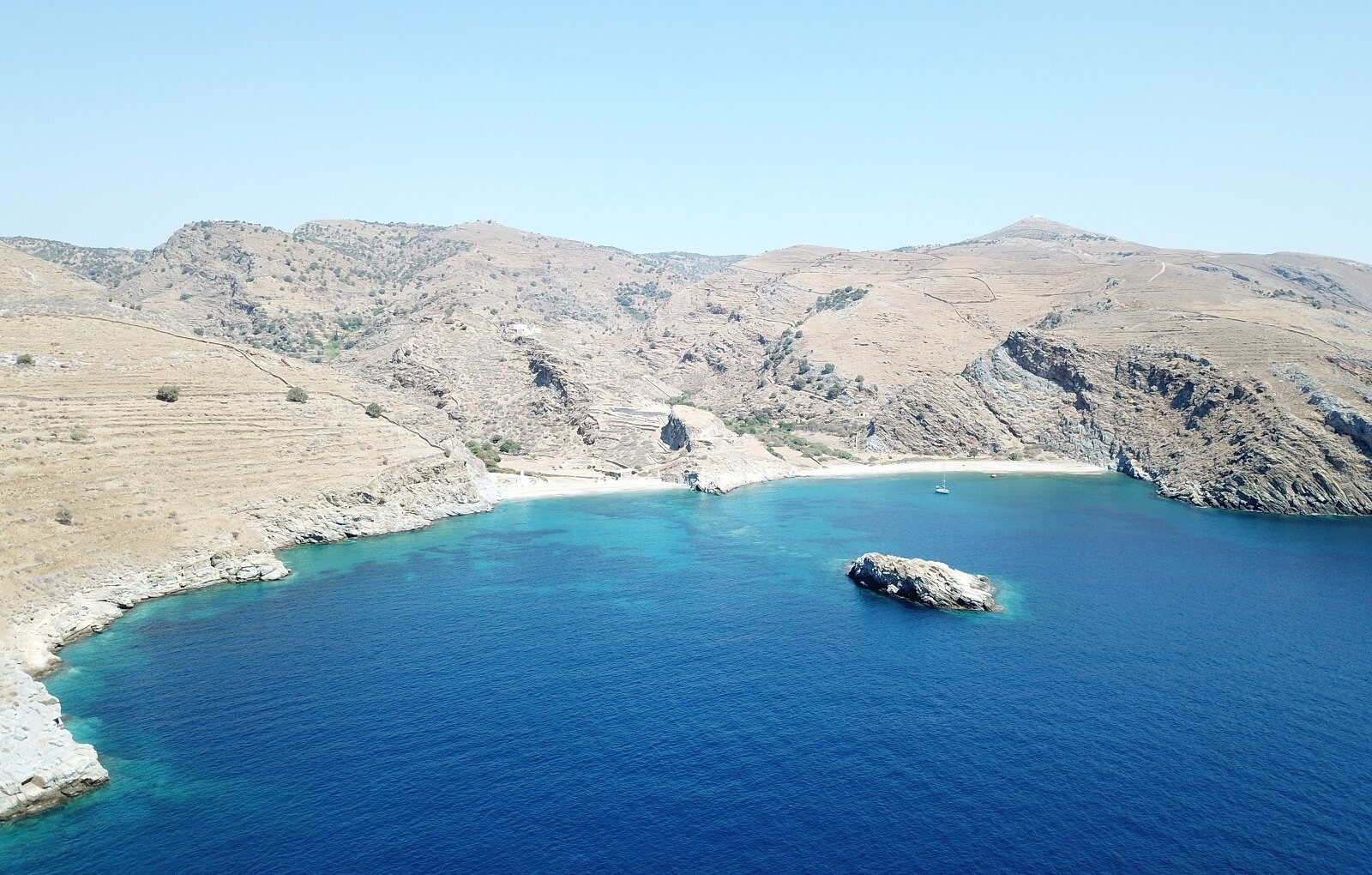
The cove of Karthaia, next to the Ancient Temple

Day 14: Return to Athens

The sailing trip around the Ancient Monuments in the Cyclades is about to be completed. The last day, leave the port early and sail toward Athens South Coast. You can stop for a swim in Cape Sounion, Anavissos bay, or any other of the numerous bay along the coast. In the last evening, you can visit Athens City Center or a spot at the beach. Disembarkation from the yacht takes place the next morning, at 9 am the latest

Note: Above data (distances, berthing information, etc.) are included merely for informational purposes and are not accurate. Please assess a nautical chart before your trip, to ensure a safe and pleasant trip.

Guests are free to modify the itinerary according to their preferences and the weather conditions

Can't find what you're looking for? Request a quote.

Our charter consultants will compile a list of the best options for your perfect sailing experience.

REQUEST A PERSONALISED QUOTE